Understanding the Key Differences Between Warehousing and Fulfillment Centers
Mar 25, 2025
Warehousing and fulfillment centers each play a vital role within the broader supply chain, yet they serve fundamentally different purposes. Knowing exactly how they differ is essential to selecting the right solution for your business.
1. What Each One Is Built to Do
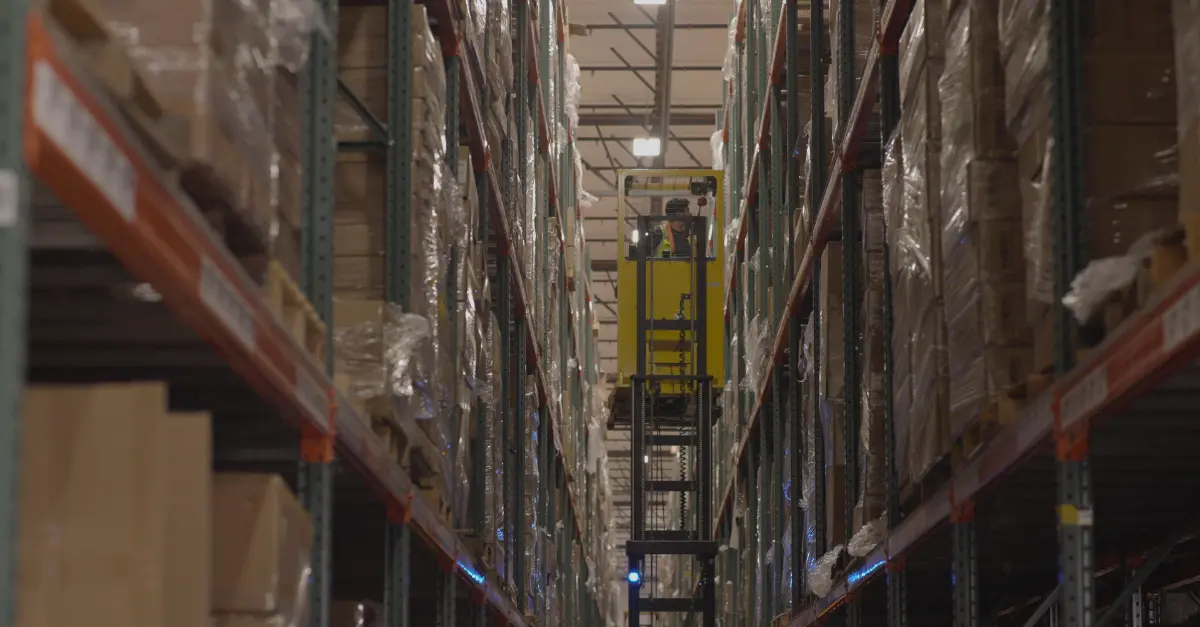
Warehouses are designed primarily for long-term storage of goods, making them a strong fit for businesses managing surplus stock or seasonal products that need to sit in reserve. Fulfillment centers take on a different role entirely, managing the full order fulfillment cycle from receiving and picking to packing and shipping products directly to customers.
2. Where the Operational Priorities Lie
Warehouses are built around inventory management and extended storage, typically serving wholesalers or businesses working with bulk quantities. Fulfillment centers, by contrast, are optimized for speed and efficiency, supporting the rapid order processing that e-commerce and direct-to-consumer brands depend on to keep customers happy.
3. The Role of Technology
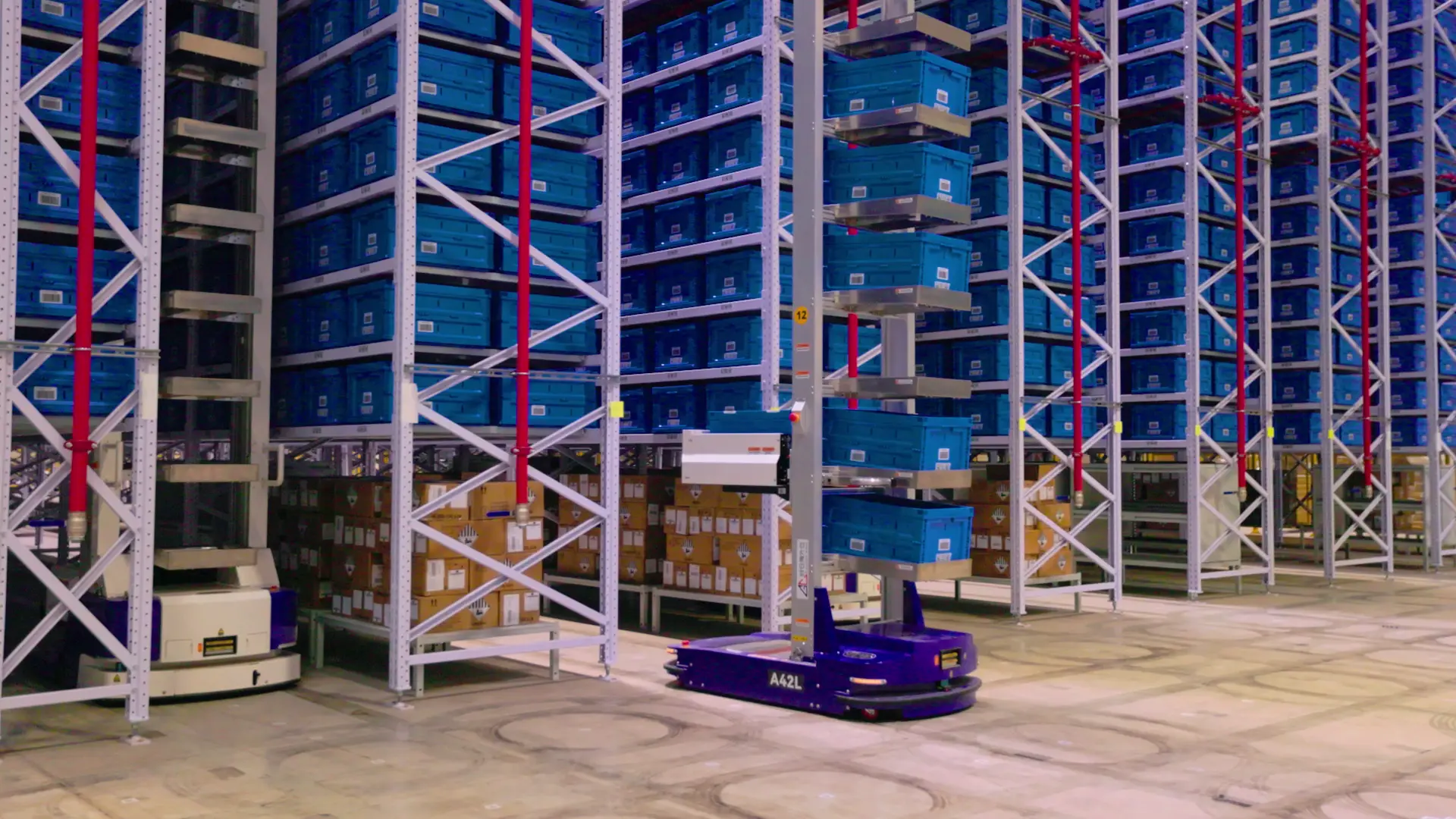
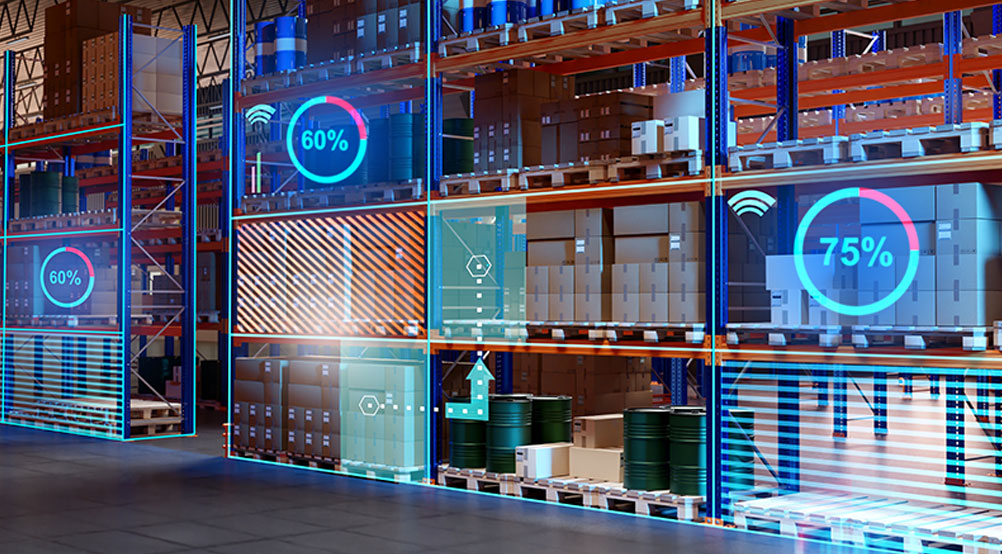
Fulfillment centers depend heavily on sophisticated technology, including real-time inventory tracking and automated systems, to keep operations running smoothly. Warehouses often rely on more basic inventory tools and generally lack the dynamic, responsive capabilities that define a modern fulfillment center.
4. Impact on the Customer Journey
Warehouses primarily support behind-the-scenes inventory needs, while fulfillment centers are built with the customer experience front and center. Their speed and precision drive accurate order fulfillment, on-time delivery, and a smooth returns process.
5. Adapting to Growth and Demand
Fulfillment centers give growing businesses the flexibility to manage fluctuating order volumes and seasonal spikes with ease. Warehouses, meanwhile, are better suited to steady, long-term storage requirements that don't change much over time.
Deciding between a warehouse and a fulfillment center ultimately comes down to your business model, your goals, and what your customers expect from you. Both serve essential functions, but they operate at very different stages of the supply chain.